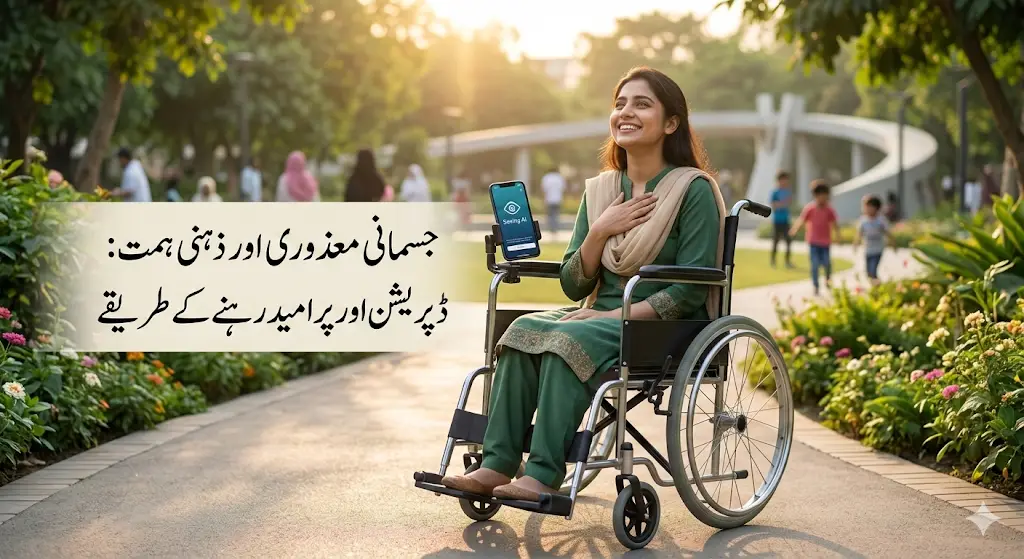
The Psychological Impact of Physical Disability
Physical disability is often accompanied by invisible psychological struggles. For many individuals with special needs, the transition to a life with limited mobility or sensory loss can lead to severe emotional distress. Society often focuses on physical rehabilitation, but mental resilience is the true foundation of a fulfilling life.
Breaking the Cycle of Depression
Depression among PWDs often stems from a lack of accessibility and independence. When a person feels trapped by their environment, hopelessness sets in. However, the rise of Assistive Technology has provided a new beacon of hope.
- Empowerment through AI: Apps like Seeing AI enable visually impaired individuals to interpret the world around them, from reading documents to recognizing faces.
- Fostering Independence: This technological assistance acts as a digital assistant, boosting confidence in daily activities and reducing the psychological burden of dependency.
Strategies for Mental Resilience
- Acknowledge Your Worth: Understand that your disability is a part of your journey, not the end of your potential.
- Engage with Communities: Platforms like Voice of Special Person serve as vital spaces for advocacy and education, helping individuals realize they are not alone.
- Focus on Mental Hygiene: Just as you care for your physical body, practice mindfulness and seek professional help if negative thoughts become overwhelming.
Physical Disability and Mental Strength: Overcoming Depression and Staying Hopeful