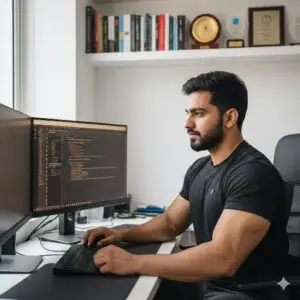
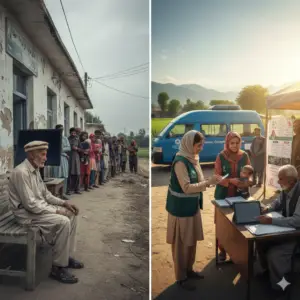
Hello, I’m Muhammad Ishtiaq Ahmad, the founder of Voice of Special Person. As a disabled individual, I have experienced firsthand the challenges and opportunities that come with living in a world not always designed for us. This platform is my vision—a space where disabled people from around the world can come together to share their experiences, support one another, and work toward a brighter future.
About Us
Empowering Voices, Enabling Lives
We connect disabled individuals worldwide, fostering a community of support, learning, and empowerment.
Through vocational training and mentorship, we equip individuals with the skills needed for success.
Our mission is to break barriers, create opportunities, and ensure every voice is heard and valued.
At Voice of Special Person, we are building a global community dedicated to improving the lives of disabled individuals through education, employment, and enhanced living styles. By connecting people across borders, we aim to bridge the gap between developed and developing nations, ensuring that everyone has access to the tools and support they need to thrive.
What We Offer
🌍 Global Connection – Join a worldwide network of disabled individuals, caregivers, and allies.
📚 Education & Skill Development – Access resources, workshops, and tools for personal and professional growth.
💼 Employment Opportunities – Find job listings, career advice, and success stories.
🏡 Improved Living Styles – Share and learn practical tips for making life more accessible and fulfilling.
📢 Advocacy & Awareness – Be part of a movement promoting disability rights, inclusion, and equal opportunities.
🎓 Vocational Training – Learn skills from experts in developed countries to achieve financial independence.
🚀 Business Opportunities – Explore import and export business connections to create sustainable livelihoods.
Success comes from perseverance and effort. While talent and luck play a role, consistent dedication is the key to overcoming challenges. Instead of waiting for ideal situations, focus on making the best of your resources. Success is about creating opportunities through relentless effort and adaptability.
You can volunteer, share your story, mentor someone, or contribute to our mission in various ways.
Need Immediate Support?
Looking for resources, training, or business opportunities? Voice of Special Person is here to help. Join our global community today and take the first step toward empowerment and independence.
”The secret to my success is that I never let the weakness of my legs overpower the strength of my mind. My message is simple: earning a livelihood requires courage and intellect more than physical movement.” Most of my peers struggle with financial independence. In this digital age, your physical condition cannot stop your success. As a Web Developer, I recommend these proven ways:
Web Development: Learn to build websites; it’s a high-demand skill worldwide.
Freelancing: Sell your skills on Fiverr or Upwork where only quality work matters.
YouTube & Blogging: Share your story or skills and earn through ads.
Online Teaching: Teach Quran or academic subjects to students globally from home.
Social Media Management: Manage business pages on Facebook and earn a steady income.
”میری کامیابی کا اصل راز یہ ہے کہ میں نے اپنی ٹانگوں کی کمزوری کو اپنے دماغ کی طاقت پر کبھی حاوی نہیں ہونے دیا۔ میرا پیغام سادہ ہے: رزق کمانے کے لیے ہاتھ پاؤں سے زیادہ ہمت اور دماغ کی ضرورت ہوتی ہے۔” اکثر جب میں اپنے ساتھیوں سے ملتا ہوں، تو سب سے بڑا سوال مالی تنگی کا ہوتا ہے۔ ڈیجیٹل دور میں جسمانی حالت آپ کے رزق کے آڑے نہیں آ سکتی۔ میں خود ایک ویب ڈویلپر ہوں اور یہ وہ طریقے ہیں جو واقعی کام کرتے ہیں: ویب ڈویلپمنٹ: ویب سائٹس بنانا سیکھیں، یہ پوری دنیا میں سب سے زیادہ مانگ والا ہنر ہے۔ فری لانسنگ: Fiverr اور Upwork پر اپنا ہنر بیچیں، وہاں صرف کام دیکھا جاتا ہے، معذوری نہیں۔ یوٹیوب اور بلاگنگ: اپنی کہانی یا ہنر دنیا کو دکھائیں اور اشتہارات سے کمائیں۔ آن لائن ٹیوشن: گھر بیٹھے دنیا بھر کے بچوں کو قرآن یا اسکول کے مضامین پڑھائیں۔ سوشل میڈیا مینجمنٹ: کمپنیوں کے فیس بک پیجز چلا کر ماہانہ معقول رقم کمائیں
Every special person success story begins with struggle but ends with strength. This is the inspiring journey of Muhammad Ishtiaq Ahmad from Pakistan, who turned his disability into power and became a successful athlete, web developer, and entrepreneur. If you are searching for a special person success story that provides real-world motivation, this example proves that limitations exist only in the mind, not in reality.
👶 Early Life – A Difficult Beginning
Forty years ago, Muhammad Ishtiaq Ahmad was born in a small village near Sheikhupura, Pakistan. He was born with a physical disability affecting one leg and a smaller foot. In a society lacking modern medical awareness, his condition was misunderstood and surrounded by superstitions. However, his family’s resilience and his father’s unwavering courage became his greatest support. His father’s belief—“If you cannot become a soldier, you can still become something great in life”—became the foundation of this special person success story.
❄️ The Life-Changing Story of the “Stone”
His father shared a profound story of a man who survived a freezing room by using a heavy stone for vigorous exercise instead of succumbing to the cold. This became Muhammad Ishtiaq’s life philosophy: “Handle the Stone.” He realized that a problem only becomes a burden if you avoid it; if you learn to use it, it becomes your strength.
💡 Philosophy of Success
This special person success story teaches two vital lessons for anyone facing adversity:
Problems become strength when faced with courage: Do not treat your disability as a burden; treat it as your tool for growth.
Self-belief creates social respect: The world values you when you first value yourself.
Muhammad Ishtiaq Ahmad decided not to live as a victim but as a fighter, eventually breaking every barrier society placed before him.
🏆 Achievements of Muhammad Ishtiaq Ahmad
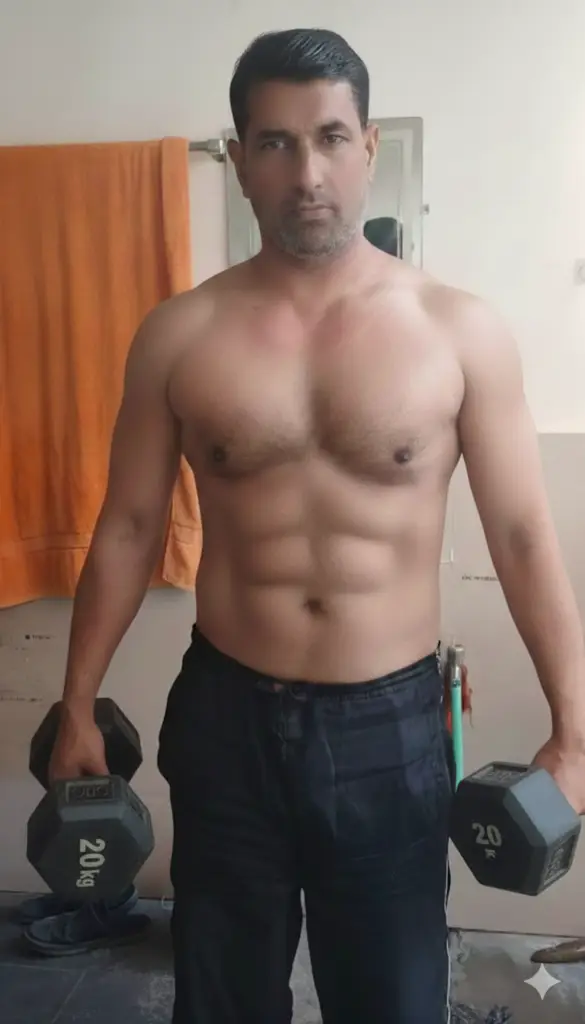
Athlete & Bodybuilder: Despite his physical challenges, he trained his body and became a disciplined athlete and fitness enthusiast.
Entrepreneur: He built his own business from scratch, proving that financial independence is achievable through grit and smart work.
Professional Web Developer: He mastered digital skills and thrives in the competitive tech industry of Pakistan.
محنت اور ہمت کی زندہ مثال: محمد اشتیاق احمد — ایک معذور شخص جو باڈی بلڈر اور ویب ڈویلپر بنا
Use Government Support: Actively apply for disability support programs available in Pakistan.
Consistency Over Speed: Success is not a sprint. Start small and remain consistent.
🧾 Conclusion
This special person success story from Pakistan proves that disability is not the end of life—it is the beginning of a stronger version of yourself. Muhammad Ishtiaq Ahmad turned his challenges into achievements, standing as a living example for millions.
Frequently Asked Questions (FAQs)
Q: How can persons with disabilities earn money online?A: Persons with disabilities can earn money online by learning high-demand digital skills that do not require physical mobility. These include professional web development, graphic design, content writing, and digital marketing. Platforms like Voice of Special Person offer guidance on how to start these careers and access online freelance marketplaces effectively.
Q: What is the success story of Muhammad Ishtiaq Ahmad?A: Muhammad Ishtiaq Ahmad is a resilient individual from Sheikhupura, Pakistan, who transformed his physical disability into a source of strength. Despite being born with a weak leg and facing societal challenges, he became a professional web developer, an athlete, and a successful entrepreneur. His life philosophy, “Handle the Stone,” inspires others to turn their obstacles into their greatest assets.
Q: What is the Voice of Special Person platform?A:Voice of Special Person (voiceofspecialperson.com) is an empowering platform founded by Muhammad Ishtiaq Ahmad. It is dedicated to supporting persons with disabilities by providing information on government schemes (such as the Himmat Card), sharing knowledge about assistive technologies, and offering resources for skill development and online earning to help them lead dignified, independent lives.
میرا پسینہ اور پتھر آج سے تقریباً 40 سال پہلے کی بات ہے، جب میں ضلع شیخوپورہ کے ایک مضافاتی علاقے، لالکے گاؤں میں پیدا ہوا۔ سچ تو یہ ہے کہ وہ باقاعدہ گاؤں بھی نہیں تھا، بس 15-20 گھروں کا ایک چھوٹا سا ڈیرہ تھا جسے ‘ڈیرہ جالندھریاں’ کہا جاتا تھا۔ اس دور میں وہاں نہ بجلی تھی، نہ سڑکیں اور نہ ہی شعور کی کوئی روشنی۔ ہمارے ڈیرے کے لوگوں کی کل کائنات قصبہ فاروق آباد تک ہی محدود تھی اور سرکاری محکموں کے نام پر وہ صرف دو ہی کرداروں سے واقف تھے: ایک ‘ماسٹر’ اور دوسرا ‘فوجی’۔
آزمائش کا آغاز اور سماجی رویے
میری پیدائش کے وقت جب گھر والوں نے دیکھا کہ میری ایک ٹانگ پیدائشی طور پر کمزور اور پاؤں چھوٹا ہے، تو خوشی کا ماحول ایک خاموش فکر میں بدل گیا۔ اس دور میں ‘پولیو’ یا کسی پیدائشی معذوری کا کوئی طبی علم نہ تھا، چنانچہ لوگوں نے اسے توہمات سے جوڑ دیا۔ کوئی اسے چاند گرہن کا اثر کہتا تو کوئی سورج گرہن کا۔
میری والدہ بتاتی ہیں کہ اس وقت ڈیرے کی ایک سب سے بزرگ ‘اماں’ مجھے دیکھنے آئیں اور میری ماں کو تسلی دیتے ہوئے کہنے لگیں:
“کوئی گل نیں پتر، کی ہویا جے لتاں کمزور نیں؟ جے فوجی نئیں بنے گا تے کی ہویا، ماسٹر تے بن ای جائے گا نا!”
ان سادہ الفاظ میں جہاں ایک طرف ہمدردی تھی، وہیں دوسری طرف یہ ایک تلخ حقیقت بھی تھی کہ معاشرہ معذور انسان کو صرف محدود کاموں کے لائق ہی سمجھتا ہے۔ جیسے جیسے میری عمر بڑھنے لگی، والدین کی یہ پریشانی بھی بڑھنے لگی کہ یہ بچہ بڑا ہو کر اپنا بوجھ کیسے اٹھائے گا؟
وہ کہانی جس نے تقدیر بدل دی
وسائل کی کمی کی وجہ سے میرا علاج تو ممکن نہ تھا، لیکن میرے والد نے مجھے ہمت کی وہ دوا دی جو دنیا کے کسی ہسپتال میں نہیں ملتی۔ وہ اکثر مجھے اپنے پاس بٹھاتے اور ایک کہانی
سنانا شروع کرتے۔
وہ کہانی ایک ایسے بادشاہ کی تھی جس نے اپنی بیٹی کی شادی کے لیے ایک انتہائی کڑی شرط رکھی تھی کہ جو شخص ایک سخت سرد اور برفیلی رات بادشاہ کے بتائے ہوئے ایک خاص کمرے میں زندہ سلامت گزارے گا، وہی شہزادی کا جیون ساتھی بنے گا۔ اس کمرے کے بیچوں بیچ ایک بہت بڑا اور بھاری بھرکم پتھر رکھا ہوا تھا۔
والد صاحب بتاتے کہ سینکڑوں لوگ وہاں گئے لیکن سردی کی شدت کی وجہ سے صبح تک ان کی لاشیں ہی باہر نکلیں۔ آخر میں ایک ایسا شخص آیا جس نے اپنی عقل اور جسمانی طاقت کو استعمال کرنے کا فیصلہ کیا۔ اس نے اس وزنی پتھر کو اپنی بقا کا ذریعہ بنا لیا۔ وہ ساری رات اس پتھر کو اٹھاتا، اسے دھکیلا، اس کے گرد دوڑتا اور مسلسل سخت ورزش کرتا رہا۔ جب صبح بادشاہ نے کمرہ کھولا تو وہ حیران رہ گیا؛ وہ شخص مرا نہیں تھا، بلکہ مشقت کی وجہ سے اسے پسینہ آیا ہوا تھا! اس نے اس پتھر (رکاوٹ) کو اپنی موت کے بجائے اپنی زندگی کی تپش بنا لیا تھا۔
زندگی کا فلسفہ: پتھر کو اپنی طاقت بنائیں
اس کہانی نے میرے شعور کی آنکھیں کھول دیں۔ میں نے سمجھ لیا کہ یہ دنیا دراصل وہ “برفیلہ کمرہ” ہے اور میری مشکلات میرا وہ “بھاری پتھر” ہیں۔ اس کہانی سے میں نے دو بڑے سبق سیکھے:
پتھر کو ہینڈل کرنا سیکھیں: اگر آپ اپنی مشکل کو صرف ایک بوجھ سمجھ کر اس کے سامنے ڈھیر ہو جائیں گے، تو یہ زندگی کی سردی آپ کو مار ڈالے گی۔ لیکن اگر آپ اسی مشکل کو “سمارٹ طریقے” سے اپنا کر اس کے ساتھ لڑنا سیکھ لیں گے، تو یہی آپ کی بقا کا ذریعہ بنے گی۔
زمانہ قدر تب کرتا ہے جب آپ خود اپنی قدر کرتے ہیں: جب میں نے اپنی کمزوری کو اپنی طاقت (باڈی بلڈنگ، ایتھلیٹکس اور ویب ڈویلپمنٹ) میں بدلا، تو وہی زمانہ جو کبھی مجھے بوجھ سمجھتا تھا، آج میری مثالیں دیتا ہے۔
میری کامیابیاں: معذوری سے خودداری تک
میرا پتھر، میرا پسینہ: ڈیرہ جالندھریاں سے کامیابی تک کا سفر
آج میں فخر سے کہہ سکتا ہوں کہ اللہ کے کرم اور اپنی محنت سے میں نے ان تمام دیواروں کو گرا دیا ہے جو معذوری کے نام پر میرے گرد کھڑی کی گئی تھیں:
میں ایک کامیاب ایتھلیٹ اور باڈی بلڈر ہوں۔
میں اپنا ذاتی کاروبار سنبھالتا ہوں۔
میں ایک ویب ڈویلپر ہوں اور ڈیجیٹل دنیا میں سرگرم ہوں۔
آج میں ایک عام انسان سے کہیں زیادہ کما رہا ہوں اور ایک بھرپور زندگی گزار رہا ہوں۔ میرا پیغام ہر اس شخص کے لیے ہے جو کسی بھی مشکل کا شکار ہے:
“اپنے حصے کے پتھر کو اپنی طاقت بناؤ، ورنہ وہ تمہاری جان لے لے گا۔ اگر تم اسے سہی طریقے سے ہینڈل کرنا سیکھ گئے، تو تم نہ صرف زندہ رہو گے بلکہ زمانے کی آنکھ کا تارہ بن جاؤ گے۔”
ہمت کارڈ کیا ہے؟ (What is Himmat Card?) حکومتِ پنجاب نے حال ہی میں خصوصی افراد کی مالی معاونت کے لیے “ہمت کارڈ” (Himmat Card) کا اجرا کیا ہے۔ یہ کارڈ ان معذور افراد کے لیے ہے جو اپنی معذوری کی وجہ سے ملازمت یا محنت مزدوری کرنے سے قاصر ہیں۔ اس پروگرام کا مقصد خصوصی افراد کو کسی کا دستِ نگر بننے کے بجائے خود مختار بنانا ہے۔
ہمت کارڈ کے فوائد (Benefits of Himmat Card)
ماہانہ وظیفہ (Monthly Stipend): اس کارڈ کے ذریعے مستحق افراد کو ماہانہ مالی امداد فراہم کی جاتی ہے (جو فی الحال 10,500 روپے فی سہ ماہی ہے)۔
بینکنگ سہولت (ATM Facility): یہ کارڈ ایک اے ٹی ایم (ATM) کارڈ کی طرح کام کرتا ہے جس سے رقم نکالنا آسان ہے۔
سماجی عزت (Social Dignity): یہ کارڈ خصوصی افراد کو ایک الگ شناخت اور حکومتی سرپرستی کا احساس دلاتا ہے۔
اہلیت کا معیار (Eligibility Criteria) ہمت کارڈ حاصل کرنے کے لیے درج ذیل شرائط کا پورا ہونا ضروری ہے:
فرد کا PWD (Person with Disability) سرٹیفکیٹ ہونا لازمی ہے۔
وہ فرد سرکاری ملازمت نہ کر رہا ہو۔
بیت المال یا کسی دوسرے پروگرام سے بڑی مالی امداد نہ لے رہا ہو۔
اس کا PMT Score (غربت کا اسکور) حکومت کی مقررہ حد کے اندر ہو۔
رجسٹریشن کا طریقہ (How to Apply) ہمت کارڈ کے لیے رجسٹریشن کا عمل بہت سادہ ہے:
سب سے پہلے پنجاب سوشل پروٹیکشن اتھارٹی (PSPA) کے پورٹل پر آن لائن اپلائی کریں۔
اپنے قریبی “خدمت مرکز” پر جا کر اپنی معذوری کا سرٹیفکیٹ اور شناختی کارڈ جمع کروائیں۔
تصدیق کے بعد، آپ کو بینک آف پنجاب (BOP) کے ذریعے کارڈ جاری کر دیا جائے گا۔
حقیقی مسائل اور تجاویز (Challenges & Suggestions) پالیسی حد تک تو یہ پروگرام بہترین ہے، لیکن گراؤنڈ لیول پر رجسٹریشن کے پورٹل کا اکثر بند رہنا اور دور دراز علاقوں کے لوگوں کے لیے تحصیل دفاتر تک پہنچنا ایک بڑا مسئلہ ہے۔ حکومت کو چاہیے کہ رجسٹریشن کے عمل کو یونین کونسل کی سطح پر لائے تاکہ کوئی بھی مستحق فرد محروم نہ رہے۔
پاکستان کی ایک بڑی آبادی کسی نہ کسی معذوری یا جسمانی چیلنج کا شکار ہے، لیکن کیا ہمارا ملک ان کے لیے رہنے کے قابل ہے؟ حکومتِ پاکستان نے وقت کے ساتھ ساتھ بہت سے قوانین اور پالیسیاں بنائی ہیں، جن کا مقصد خصوصی افراد کو معاشرے کا ایک فعال حصہ بنانا ہے۔ لیکن ایک بڑا سوال یہ ہے کہ کیا ان پالیسیوں پر اس کی روح کے مطابق عمل بھی ہو رہا ہے؟
آبادی کا تناسب اور کوٹے میں اضافے کی ضرورت ایک محتاط اندازے کے مطابق، پاکستان کی آبادی تیزی سے بڑھ رہی ہے اور اسی تناسب سے خصوصی افراد کی تعداد میں بھی اضافہ ہو رہا ہے۔ موجودہ حالات میں برسوں پرانا ‘2 سے 3 فیصد کوٹہ’ اب ہرگز کافی نہیں رہا۔ جب خصوصی افراد کی تعداد بڑھ رہی ہے، تو حکومت کو چاہیے کہ وہ اس کوٹے کو آبادی کے نئے تناسب کے مطابق بڑھا کر کم از کم 5 فیصد یا اس سے زیادہ کرے۔ صرف کوٹہ بڑھانا ہی کافی نہیں، بلکہ بڑھتی ہوئی آبادی کی ضروریات کو مدنظر رکھتے ہوئے روزگار کے نئے مواقع پیدا کرنا بھی وقت کی اہم ضرورت ہے۔
ملازمت کا کوٹہ: حق یا صرف تسلی؟ حکومتی پالیسی کے مطابق سرکاری ملازمتوں میں خصوصی افراد کے لیے 2 سے 3 فیصد کوٹہ مقرر کیا گیا ہے۔ یہ کوٹہ اس لیے رکھا گیا ہے تاکہ معذوری کسی بھی انسان کے رزق کے راستے میں رکاوٹ نہ بنے۔ لیکن تلخ حقیقت یہ ہے کہ اکثر سرکاری اور نجی اداروں میں یہ کوٹہ صرف فائلوں تک محدود رہتا ہے۔ کئی بار اسامیاں مشتہر ہی نہیں کی جاتیں، اور اگر کی جائیں تو بھرتی کا عمل اتنا پیچیدہ ہوتا ہے کہ ایک عام مستحق شخص وہاں تک پہنچ ہی نہیں پاتا۔
رسائی کا مسئلہ: شہر معذور ہیں یا ہم؟ پالیسی سازی کے وقت یہ دعویٰ کیا جاتا ہے کہ تمام سرکاری عمارتیں، پارکس اور شاپنگ مالز خصوصی افراد کے لیے “فرینڈلی” بنائے جائیں گے۔ مگر حقیقت میں، پاکستان کے اکثر شہروں میں ریمپ (Ramps) کا نام و نشان تک نہیں۔ وہیل چیئر استعمال کرنے والے افراد کے لیے تھانے، کچہری یا کسی بڑے ہسپتال میں داخل ہونا ایک پہاڑ سر کرنے کے برابر ہے۔ جب تک عمارتوں کے نقشے معذور افراد کی سہولت کو مدنظر رکھ کر پاس نہیں ہوں گے، یہ پالیسیاں محض کاغذ کا ٹکڑا ہی رہیں گی۔
مالی امداد اور سماجی تحفظ حکومت نے “ہمت کارڈ” اور بے نظیر انکم سپورٹ پروگرام جیسے منصوبوں کے ذریعے مالی امداد کا آغاز تو کیا ہے، لیکن موجودہ مہنگائی کے دور میں یہ رقم اونٹ کے منہ میں زیرے کے برابر ہے۔ ایک خصوصی شخص کو صرف پیسوں کی نہیں، بلکہ سستی ادویات، مفت علاج اور جدید آلات کی ضرورت ہوتی ہے۔ پالیسی ایسی ہونی چاہیے جو ان افراد کو دوسروں پر بوجھ بننے کے بجائے اپنے پاؤں پر کھڑا کرے۔
ہمارا مطالبہ ہم حکومتِ پاکستان اور مقتدر حلقوں سے یہ مطالبہ کرتے ہیں کہ ملازمتوں کے کوٹے پر شفاف عملدرآمد یقینی بنایا جائے، تمام عوامی مقامات پر ریمپس کی تعمیر لازمی قرار دی جائے اور خصوصی افراد کے لیے مالی امداد کو مہنگائی کے تناسب سے بڑھایا جائے۔
Role of International Organizations: The United Nations and its related agencies, such as the Economic and Social Commission for Asia and the Pacific (ESCAP), play a crucial role in protecting and promoting the rights of persons with disabilities. They assist countries in developing policies and laws for persons with disabilities and create international standards and guidelines to cater to their diverse needs. In this way, these organizations contribute significantly to the advancement of the rights of persons with disabilities and improving their lives.
Importance of Regional Cooperation: Alongside international cooperation, regional cooperation also plays an important role in the betterment of persons with disabilities. For example, the countries of Southeast Asia have declared their shared aspirations through the “ASEAN Declaration on the Rights of Persons with Disabilities.” Under this, these countries have agreed to develop joint policies and programs for persons with disabilities. Such regional initiatives can help better address the specific needs of persons with disabilities in the region.
Sharing of Financial Resources and Technology: International cooperation also involves the sharing of financial resources and technology. Different countries and organizations can work together on developmental projects and programs for persons with disabilities. This not only ensures better utilization of financial resources but also allows for the sharing of assistive technologies and tools that can benefit persons with disabilities. These efforts can bring positive changes in the lives of persons with disabilities.
Significance of Agreements and Treaties: Agreements and treaties also play an important role in international cooperation. For example, the “Convention on the Rights of Persons with Disabilities” (CRPD) is a treaty that provides a detailed description of the rights of persons with disabilities. Such treaties guide countries in upholding the rights of persons with disabilities and implementing appropriate measures to ensure their inclusion and empowerment.
Conclusion: International cooperation is crucial in turning the dreams of the Jakarta Declaration into reality. By working together, countries and international organizations can address the challenges faced by persons with disabilities, share resources and best practices, and create a more inclusive and accessible world for all. Through coordinated efforts, the rights and well-being of persons with disabilities can be truly realized, paving the way for a more equitable and just global community.


 Email: