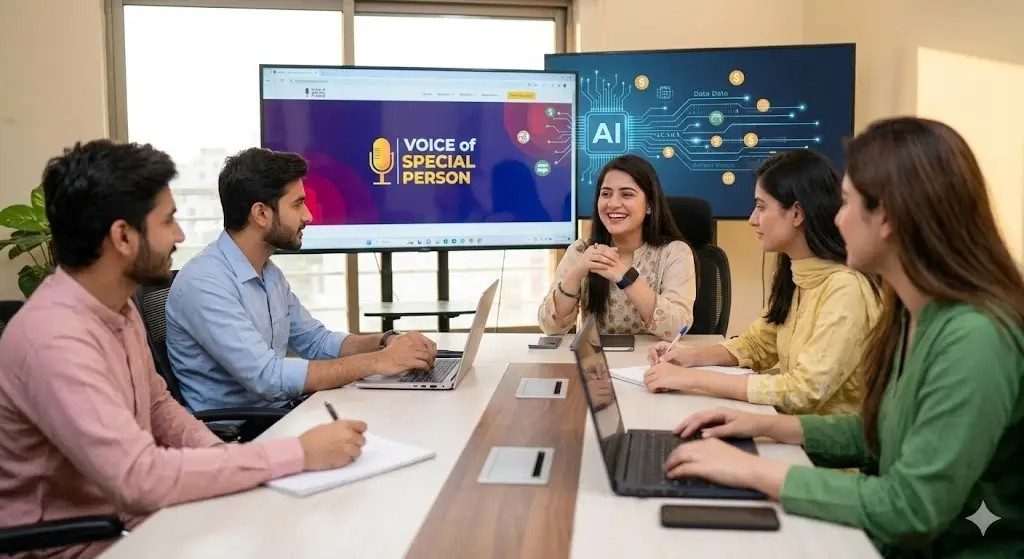
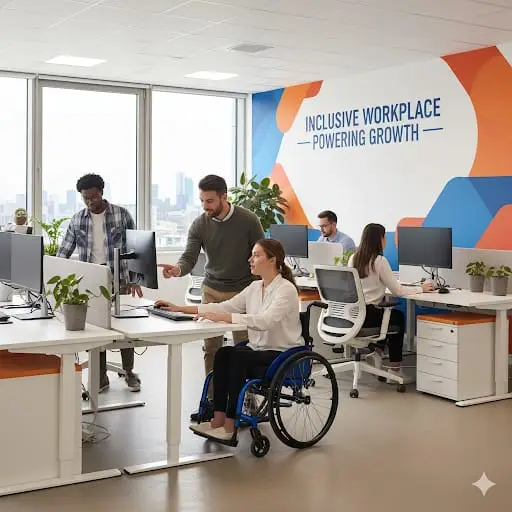
Are you a person with a disability seeking to break free from the constraints of financial instability and societal barriers? Artificial Intelligence (AI) is transforming the landscape of opportunities for physically challenged individuals, offering a chance to earn a steady income and live a more independent life. In this article, we will explore the various AI tools and strategies that can empower disabled persons to achieve financial independence and daily assistance.
Introduction
According to the World Health Organization (WHO), approximately 15% of the global population lives with some form of disability, with 2 billion people affected by some condition. However, traditional employment opportunities often remain out of reach for individuals with disabilities. But what if we told you that AI can be a game-changer? By harnessing the power of AI, disabled persons can unlock new sources of income and enjoy greater financial autonomy.
AI Opportunities for Disabled Persons
From data entry to content creation, AI offers a range of tasks that can be performed from the comfort of one’s own home, providing flexibility and accessibility for individuals with disabilities. Some of the AI tools that can help disabled persons earn money include:
- ChatGPT for automated customer service and sales support
- Google Cloud’s AI platform for data analysis and visualization
- YouTube for creating engaging video content and monetizing it with ads or sponsorships
These AI tools can be integrated into various industries, including education, healthcare, and customer service, providing new avenues for employment and income generation.
The Benefits of AI for Disabled Persons
The use of AI in daily life can bring numerous benefits to disabled persons, including:
- Improved accessibility with voice-controlled interfaces and assistive technologies
- Increased productivity with AI-powered tools for tasks such as data entry and content creation
- Enhanced independence with AI-driven services for daily living and financial management
To explore more about this exciting field, you can read more here or check out the WHO Disability Guidelines for more information.
AI and Digital Accessibility
Digital accessibility is a critical aspect of AI adoption, especially for individuals with disabilities. By design, AI systems can be created to be more inclusive, providing alternative interfaces and accommodations for users with diverse abilities. This includes:
- Voice-controlled interfaces for individuals with mobility or dexterity impairments
- Screen readers for users with visual impairments
- Customizable settings for users with cognitive or learning disabilities
By embracing digital accessibility, AI developers can create a more inclusive and equitable future for all users, including those with disabilities.
Achieving Financial Independence with AI
Financial independence is within reach for disabled persons using AI. Some strategies for achieving this goal include:
- Passive income through AI-generated content or stock market investing
- Freelancing using AI-powered platforms for data analysis, content creation, or programming
- Starting a business with AI-powered tools for marketing, sales, and customer service
To learn more about AI-powered freelancing and entrepreneurship, check out OpenAI’s blog for the latest insights and trends.
Conclusion
In conclusion, AI presents a vast array of opportunities for disabled persons to earn money from home, achieve financial independence, and live a more fulfilling life. By embracing digital accessibility, disabled persons can harness the power of AI to overcome traditional barriers and unlock their full potential. As we move forward in this exciting new era of AI adoption, it is essential that we prioritize inclusivity, equity, and accessibility to ensure that all individuals, regardless of ability, can benefit from the transformative power of Artificial Intelligence.
To read more about digital inclusion, check out Google’s AI blog. For more resources and insights on AI and disability, visit Voice of Special Person
The possibilities are endless, and the future of AI is bright. Let’s work together to create a more inclusive and accessible world for all.