In the rapidly evolving world of the 21st century, technology has become an integral part of our daily lives, transforming the way we work, communicate, and interact with our environment. This technological revolution has had a profound impact on individuals with disabilities, providing them with a wealth of assistive devices and solutions that empower them to overcome barriers and live more independent, fulfilling lives.
Enhancing Physical Capabilities
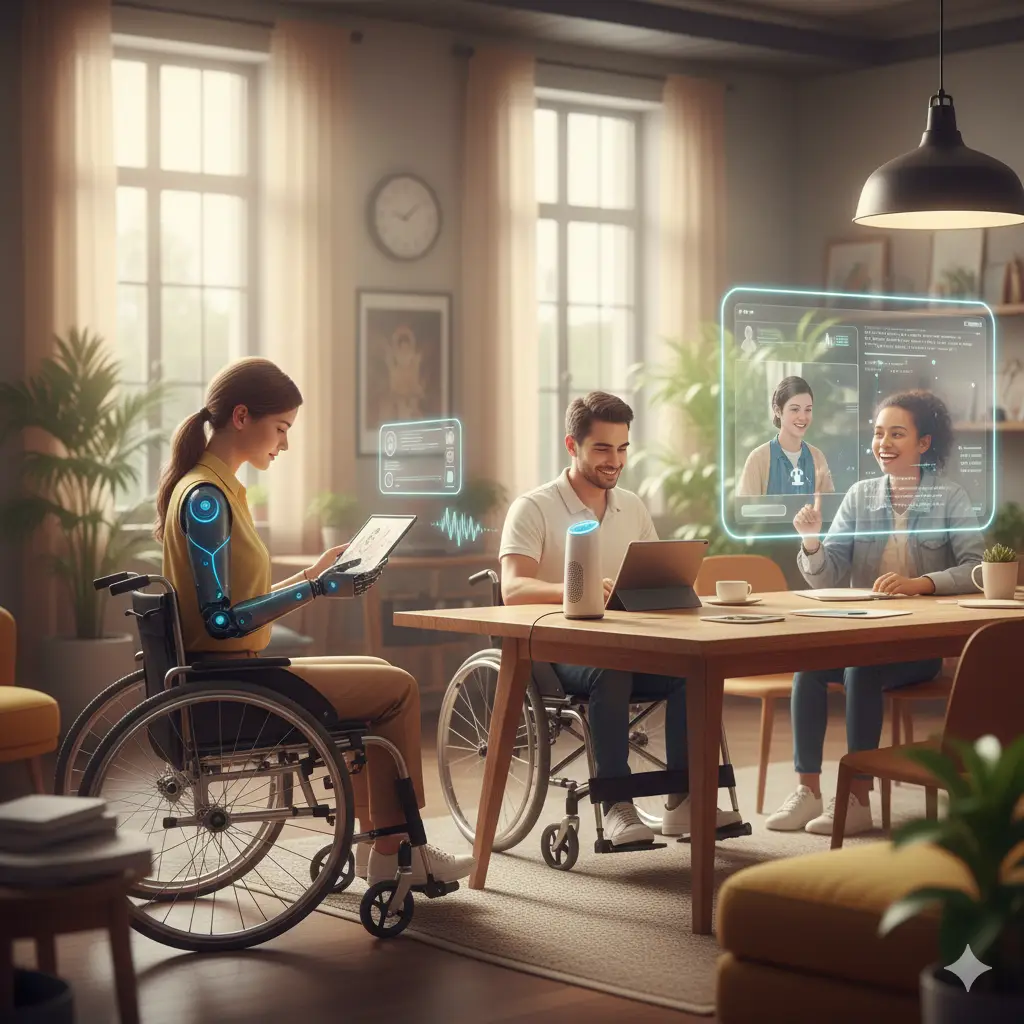
Assistive technologies, ranging from specialized software and hardware to wearable devices and smart home systems, have revolutionized the way people with disabilities navigate their world. For individuals with physical impairments, advanced prosthetics, exoskeletons, and mobility aids have restored their ability to ambulate, perform everyday tasks, and engage in activities they once thought impossible. These cutting-edge devices not only enhance physical capabilities but also foster greater independence and social integration.
One remarkable example is the development of robotic exoskeletons, which use advanced sensors and actuators to assist individuals with limited mobility in standing, walking, and performing daily activities. These wearable systems, which can be customized to the user’s specific needs, have enabled many individuals with spinal cord injuries, stroke, or other neuromuscular conditions to regain their mobility and participate in activities they once thought were out of reach.
Empowering Sensory Abilities
Individuals with sensory disabilities, such as visual or hearing impairments, have also benefited tremendously from innovative assistive technologies. Screen readers, text-to-speech software, and braille displays have dramatically improved access to information and communication for those with visual impairments, while cochlear implants and advanced hearing aids have transformed the lives of individuals with hearing loss.
These assistive devices not only enhance sensory abilities but also foster greater independence and social engagement. For example, smart glasses equipped with object recognition and navigation capabilities can help individuals with visual impairments navigate their surroundings with greater confidence and autonomy. Similarly, voice-controlled assistants and intelligent personal devices have become indispensable tools for individuals with limited mobility or dexterity, empowering them to control their environment, access information, and communicate with ease.
Cognitive and Developmental Support
Beyond physical and sensory aids, the rise of digital technologies has also had a profound impact on cognitive and developmental disabilities. Assistive apps and software, designed to enhance memory, attention, and problem-solving skills, have proven invaluable in supporting individuals with conditions like autism, ADHD, and dementia.
These tools not only help users navigate daily challenges but also foster greater independence, social integration, and overall quality of life. For instance, task-management apps can provide step-by-step guidance for individuals with cognitive impairments, helping them to complete everyday activities with greater confidence and autonomy. Similarly, social skills training programs leveraging virtual reality and gamification have been shown to improve communication and social interaction for individuals on the autism spectrum.
The Integration of AI and Machine Learning
The integration of artificial intelligence (AI) and machine learning (ML) has further expanded the capabilities of assistive devices, enabling them to adapt to the unique needs and preferences of each user. Smart home systems, for instance, can now automatically adjust lighting, temperature, and other environmental factors to create a more comfortable and accessible living space. Similarly, voice-controlled assistants and intelligent personal devices have become indispensable tools for individuals with limited mobility or dexterity, empowering them to control their surroundings, access information, and communicate with ease.
These AI-powered assistive technologies not only enhance physical and cognitive abilities but also foster greater social inclusion and emotional well-being. By anticipating user needs and preferences, they can help to reduce stress, anxiety, and feelings of isolation, ultimately improving the overall quality of life for individuals with disabilities.
Toward a More Inclusive Future
As technology continues to evolve, the potential for assistive devices to transform the lives of individuals with disabilities is limitless. Researchers and innovators are constantly pushing the boundaries of what is possible, developing cutting-edge solutions that not only enhance physical and cognitive abilities but also foster greater social inclusion and emotional well-being.
Through the power of technology and assistive devices, individuals with disabilities are no longer confined by their limitations but are empowered to pursue their dreams, explore new horizons, and fully participate in the world around them. As we move forward, the continued advancement of these life-changing technologies will undoubtedly play a crucial role in creating a more inclusive and equitable society, where everyone has the opportunity to thrive and reach their full potential.
Conclusion
The transformative power of assistive technology has the potential to revolutionize the lives of individuals with disabilities, empowering them to overcome barriers, enhance their capabilities, and fully participate in the world around them. From advanced prosthetics and mobility aids to cognitive support tools and AI-powered smart home systems, the rapid evolution of these technologies is paving the way for a more inclusive and accessible future. As we continue to push the boundaries of innovation, the positive impact of assistive devices on the lives of individuals with disabilities will only continue to grow, ultimately creating a more equitable and just society for all.